Congratulations on signing with your agency! If this is your first agency contract, here are some timelines and expectations on how your partnership with your agency should go in the first 6 months.
If you haven’t gotten signed yet, I would recommend checking out my article on how to get signed to an agency, as well as the video below, which give some handy tips and tricks to get noticed by agents.
Model and Agency Set Expectations
Timeframe: First week
Types of Jobs you will book
At some point when you first onboard, you should have a conversation with your agency about what types of jobs they envision you booking. In reality, you should have this conversation before you sign your contract, but let’s call this a revisit to the conversation. They should have a list of clients they regularly submit for, and where you fit in in regards to bookings with these clients.
Development time frame
If you signed a mother agency contract, your agent should also share how they plan to develop and pitch you to new markets. They may plan for you to live and work in various domestic or international cities to build your book and gain experience before they debut you to bigger markets. Development will take time, but they should be upfront with you on how long they think you need, to start getting placed and working.
Communicate Your Client Boundaries
When you sign, communicate with your agency which brands you want to work with and specifically which brands you won’t work with. As the face of a brand, you should always feel comfortable drawing boundaries around which types of brands you do not want to be associated with for moral, religious, or other reasons. Your agent should not submit you to these clients. One example of this for me, are MLM companies.
Take Digitals
Timeframe: First 2 weeks
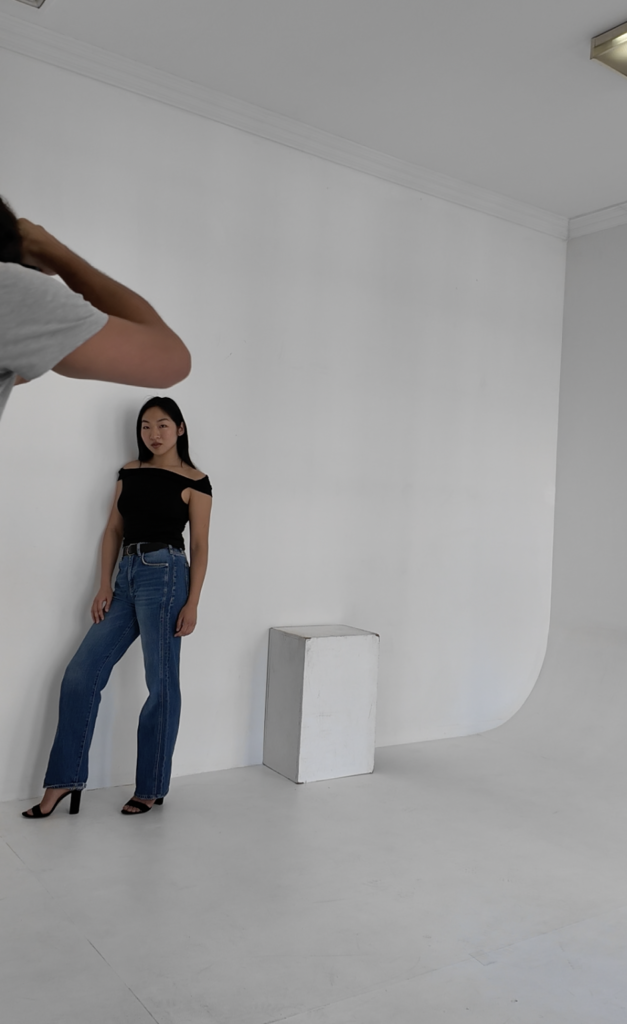
If your agency is in the same city as you, they should also take digitals for you in the office. If you have not built out your portfolio yet, agents will use digitals to submit you to castings and jobs, until you develop your portfolio. They will take these either with an iPhone or a nice camera.
All reputable agencies take digitals for free–it is a red flag if your agent charges you for digitals.
If you are not in the same city as your agency office, you may have to take digitals yourself, and send them to your agent. It’s important that your lighting is natural and background is clear for these images.
Build Your Modeling Portfolio
Timeframe: First 2 months
If this is your first agency, your agent will probably do some work developing you. You will do a few test shoots to update your portfolio so you can have complete, relevant materials for your agent to submit you to clients. If your agent is well-connected, they will reach out to photographers on your behalf for free or low-cost high quality shoots.
Your agent should give you a moodboard for the types of images they want you to shoot for the most marketable book for clients. You would style and shoot images inspired by the moodboard for your portfolio.
A beginner portfolio should have at least 8 – 9 images consisting of 3 different styling looks and backgrounds and at least 1 strong headshot. The headshot is the first image that the client will see, so it should be a great one.
If you want more information on how to build a model book, check out this video below:
Model Castings
Timeframe: First month
Agents may want to build out your book or portfolio before they start submitting you to castings, but it’s also possible for them to submit you to jobs immediately with digitals (which you should have taken either by yourself or with the agency within the first 2 weeks of getting signed).
You may start to get castings, while you are setting up your test shoots and TFP shoots,
Self-Tape Castings:
Post-Covid, many commercial castings request self-tapes. This is a single video that the talent films, edits, and sends to the casting director with what they need to see for the audition. The client either books you directly from the self-tape, or they request a callback from the self tape. Callbacks are typically a Zoom call, or another in-person casting.
Your agent should give you guidance on self-tape castings. If your agent doesn’t give you feedback, ask them for it! Once you have completed your first couple of self-tape castings, ask them if they have any pointers on your camera presence or framing/editing. Getting your self-tapes as streamlined as possible will give you the best chance of booking jobs through self-tapes.
In-Person Castings:
While sometimes it may be annoying to travel for castings, I love the in-person interactions with casting directors/clients. I can show off my personality and I don’t feel like my casting is sent into the void, like how my self-tapes can sometimes feel.
Most in-person castings are quick. Clients might want you to try on the product, whether it be clothing or beauty products. They’ll take some quick shots and film some clips of you. Often the casting is 5 minutes. Sometimes the wait is longer than the casting itself.
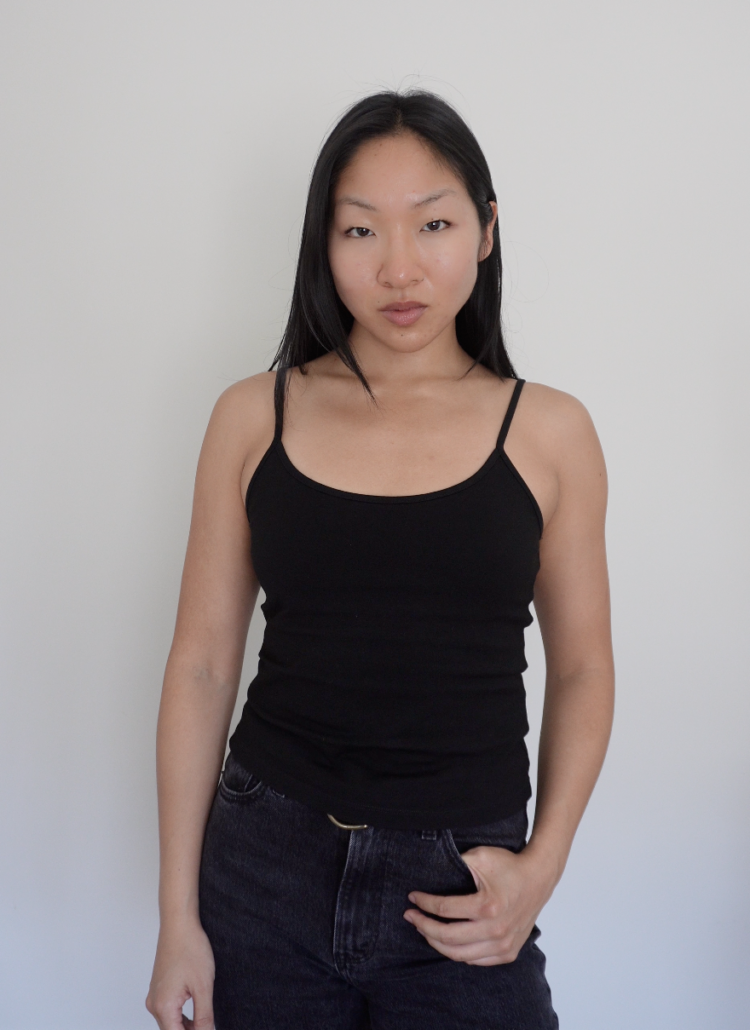
I typically wear my digitals outfit to in-person castings: black tank, black jeans, and heels.
After sending in the casting, or attending the in-person casting, I don’t dwell on it. If the client is interested in booking you, you will know you’ve moved on to the next step within the week. Or they will ask you to option the date (meaning you are on the shortlist for the job). Unfortunately, casting directors rarely tell you if you’ve been rejected. If the shoot dates have passed, that’s when you know they’ve gone with someone else.
How Much Does it Cost to Sign With a Modeling Agency?
There should be no upfront cost to signing with a modeling agency. If there are, the agency is engaging in scammy practices. Agents make money when you book jobs, from commission you and the client pay to the agent. Typically that amount is 20% of the overall booking fee. So, they take 20% from the model, and 20% from the client.
However, there are some fees you have to pay, like agency web fees, comp cards, and portfolio shoots. These should be taken out of your first paycheck, or paid directly to the service provider–ie paid to the printer for comp cards, or paid to the photographer for test shoots. I talk extensively about legitimate model fees I pay in this article.
Building a Modeling Career Takes Patience
The reality is, most new models aren’t booking immediately. It takes time for you to gain momentum as a new model. Modeling work comes in waves. Some seasons are busier than others, some years are busier than others. More often than not, there will be a lot of quiet days. Your agent will only reach out to you if they have a casting for you, or if they have news on bookings and placements. Agents often manage multiple models who are also casting and booking, so they typically won’t reach out unless they have something to share.
If your career is still hasn’t picked up by the third or fourth month, schedule a meeting with your agent. They should always be open to meeting with you and collaborating on your success. Discuss your strategy for submissions, and ask if there is anything you can do to get more interest from placement agencies or clients.
Key Takeaways
Building a modeling career is a marathon, not a sprint! A good agent will guide you through it all, will be proactive in communicating with you, and will be open to feedback. Your success as a model is their success. Keep your digitals updated, keep shooting TFPs and test shoots, and make sure you are putting your best foot forward when it comes to in-person and self-tape castings.

Leave a Reply