Congratulations, you have a 1 – 1 agency interview lined up! Getting an interview with an agency is an extremely promising sign that they are interested in representing you. They like your look and they want to get to know who you are behind your digitals.
How to Get a Model Agency Interview
The best way to get a model agency interview is to submit to agencies on their website, or send them an email. If they are interested in an interview, they often reach out within 24 – 48 hours of your submission for an interview request or for more information.
Anytime I have submitted to an agency, I have always heard a response within this timeframe. If I don’t hear anything after 3 days, I assume I have been rejected.
In my experience, when you are offered an interview, the contract is yours to lose. Keep reading for tips on how to make yourself stand out so you receive a verbal offer before the meeting is over–this has happened to me twice!
How to Make Yourself Stand Out in an Agency Interview
Turn up your personality! Be professional, but don’t be afraid to have the energy of chatting with someone you know well. Be generous with your smiles and laughs. You probably showed a lot of your serious model face in your digitals, so agents want to see your toothy smile.
How you present yourself in the agency interview is how the agents believe you will come across in castings and on set as well. They are gauging whether they think you will represent the agency well. Keep this in mind.
What to Wear and Bring to a Modeling Interview
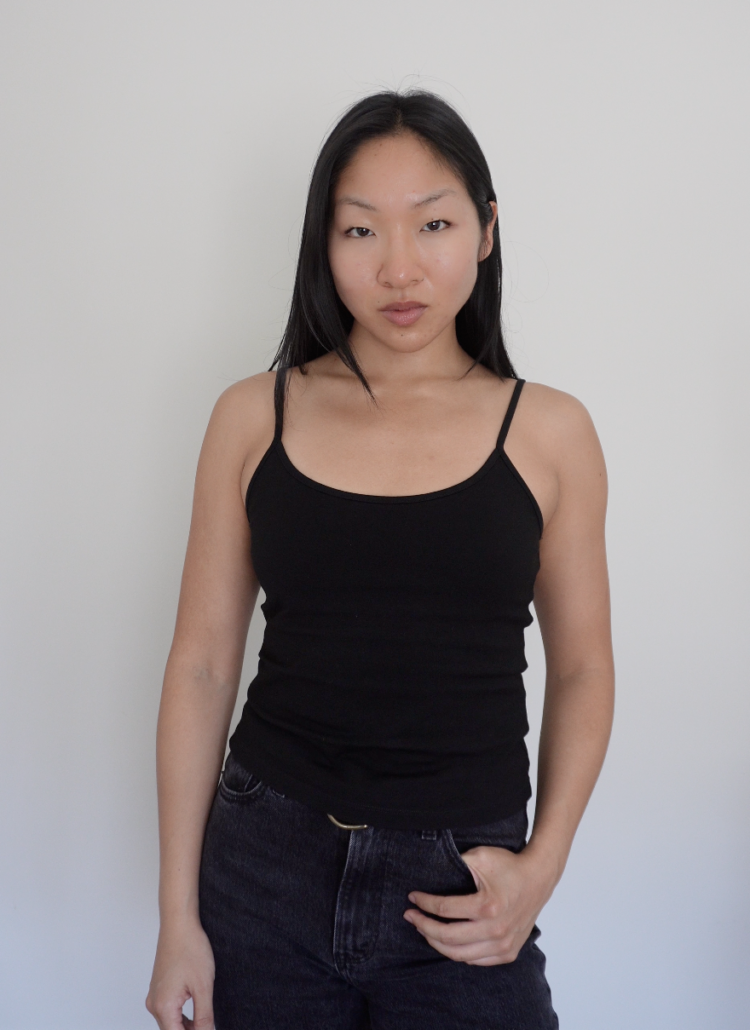
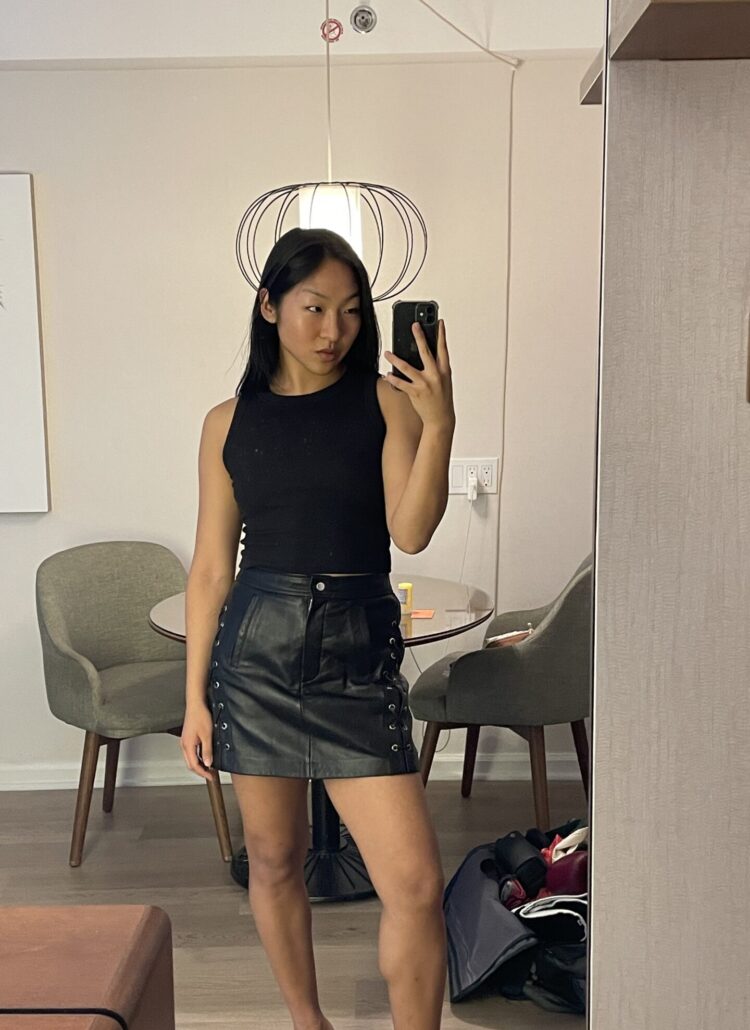
I typically wear a casting outfit to a model agency interview: black top, black jeans, and heels. If it’s in-person, I will bring my portfolio, which is on my iPad. This is very helpful to have on hand to show the agents, and talk through the efficacy of your portfolio in the meeting. In one of my previous agency interviews, based off of their reaction to my portfolio, I could tell that was the extra edge that led them offer me a verbal contract in the meeting.
If the interview is on Zoom, I will have sent my portfolio ahead of time via email, and the agents usually have it up as they’re talking to me.
What to Expect at a Model Agency Interview
Show up 3 – 5 minutes early. This demonstrates your professionalism and punctuality for when they send you on castings.
The whole interview will take less than 30 minutes. The agents will start off by asking you some questions (full list of questions below!), and they will confirm your measurements. If the interview is on Zoom, they will ask you to stand up and turn around to see your body. They should discuss how they see you fitting on their board and with their clients. You will discuss your career goals, and clients/jobs you want to book.
What Are Agents Looking For in New Models?
Agents look for Models with Flexible Schedules
The agent will ask you what your everyday situation is. Are you a student? Do you work a full-time job? What type of work do you do? They want to gauge whether you have a flexible schedule and whether you will have the bandwidth to go to castings, do self tapes, and take last-minute jobs if they’re offered to you.
Modeling is often very unpredictable. You might get 4 castings a week while other weeks you get only one or none. Often you don’t get confirmed for a job until a few days or a couple days before a job. Can you take time off work or school to be on set for a whole day?
Having zero flexibility at all in your job may be one of the biggest reasons why an agency is not willing to sign you after meeting with you. Unfortunately, flexibility is a huge requirement to be a model.
Agents Want Models with Special Skills and Personality
Agents love models, who, in addition to having a unique face, also have a special skills. Do you speak multiple languages? Did you play a sport that you excel at? What are your hobbies?
Casting directors and clients are often looking for people with real skills. Real skateboarders, real basketball players, real barista’s, real dancers, etc. Because these jobs are super niche, people who have these specific special skills have a higher chance of booking these jobs when they come up.
I always talk about my Muay Thai practice in agency interviews. Not only is this an “interesting” part of who I am, this also shows I have potential for fitness clients. I also make sure to add my training photos and videos on my Instagram so that casting directors and agents can visualize me in action.
Whatever your special skill or hobby is, make sure you include that on your Instagram profile and talk about it in your agency interview. They’ll probably ask you about hobbies, but if they don’t, bring it up if it feels natural.
(Some) Agencies Prefer Models with a Developed Portfolio
Having a developed portfolio pertains more to booking agencies than mother agencies. Specifically, this is the case for booking agencies that offer non-exclusive contracts.
Mother agents are more willing to develop newer models under a mother agency contract, which means you can approach them with a smaller portfolio or with no portfolio at all.
When it comes to booking agencies who offer non-exclusive contracts, they are more likely to sign you if you already have a portfolio of marketable images they can use to pitch you to clients and get you booking immediately.
Agents Want Models Who Embody Different Characters
This is mostly shown through your portfolio. Modeling is a very visual industry. Agents and clients will find it hard to visualize you for a job if you don’t already show them you can embody a character through your portfolio. Show them by having different looks in your portfolio (TFP’s are a great way to achieve this!). Different energies include fierce, vs lifestyle, vs nature girl, you get the idea.
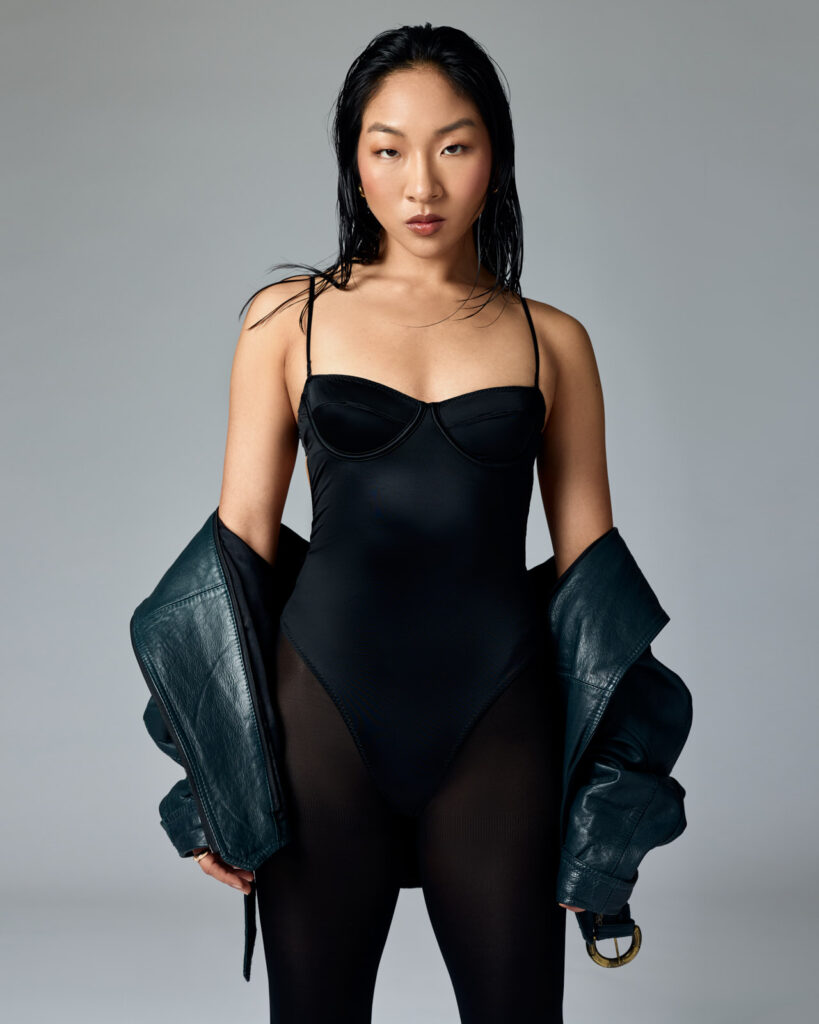
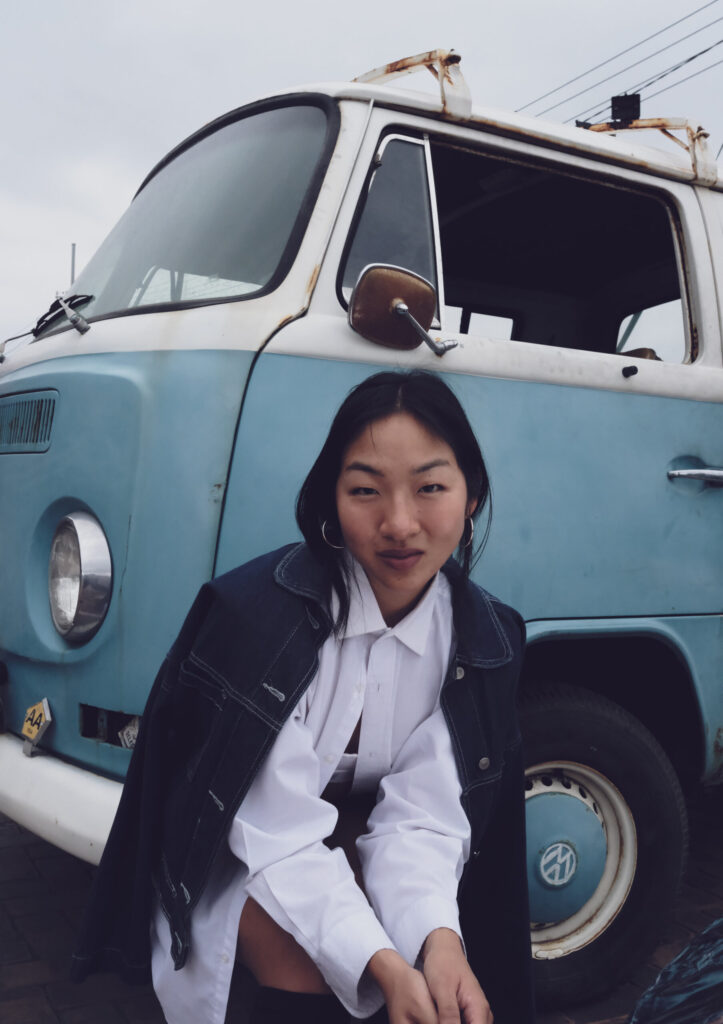

When you’re a beginner model, your agent will help you build out a portfolio that will highlight all the “characters” you can embody. On your own, you can always style yourself a certain way for TFP collaborations to add diversity to your portfolio.
Agents are Searching for a Face They Don’t Currently Represent
This one is harder to gauge on your own–I have always found it difficult to objectively determine what type of look I have. I guess this happens when you look at yourself in the mirror every day for your whole life. 🤷🏻♀️
Nonetheless, if you have a unique, marketable face and there is no one on the agency board that has features like yours, you might have a higher chance of getting signed with that agency. Agencies don’t like signing multiple people with the same look because those models will compete for the same jobs. They would rather have each model cover a distinctly separate segment of the market. Some faces may overlap segments, but no two faces will wholly cover the same niche.
Questions to Prepare for your Model Agency Interview
What is your day to day situation? Are you in school? If not, what do you do for work?
Be honest about this. It’s important to communicate realistically your daily life situation, and exactly how much flexibility you have for castings and jobs. It’s important to set these expectations about your bandwidth so you and the agent know what to expect in the model/agency partnership.
Why do you want to be a model?
This question is primarily asked to models who are just starting out in their careers. Keep your answer true to you while also highlighting your confidence and your eagerness to learn to succeed in the industry.
Agents want to know that you are willing to do the work it takes to be a successful model.
What modeling experience do you have?
You do not need any booking experience to get signed as a model. While most models think experience means photoshoots and booking paid work, experience also entails going to casting calls and taking digitals. If you have had other agency interviews, that’s also experience too.
A model’s work entails all of this and more. I’m often casting and networking more than I am “working” in front of a camera.
What type of modeling work do you think you can do?
This question is asked to gauge whether you have done your research on the industry. If you’re a petite model, realistically, you will be sent out for commercial print, beauty, and lifestyle jobs. You can always share the types of jobs or brands you would like to work with as a North star, so your agents know what your career goals are.
I always flip this question back on the agents as well. “… Those are the jobs I think I would be a good fit for based on my look and understanding of the market. I’m also curious to know what jobs you think I can book based off of your client list?”
Their response provides great insight on what types of work agents think you can book for that market. As you continue applying to agencies and meeting with more agents, it’s nice context to have in your back pocket.
What do you like to do outside of modeling? What are your hobbies?
This question is to gauge what your special skills and talents might be. Casting directors like to pitch clients models who have personality. It adds to the essence of a model when they are shooting a campaign. If you have really niche hobbies or interests, this is the time to share them.
Try to share a cerebral and a physical hobby. Cerebral hobbies show your additional interests and physical hobbies show different characters you can play in a commercial. Both are equally important.
For my cerebral hobby, I often talk about my YouTube channel where I make videos on financial literacy and rejecting consumerism. To cover my physical hobby I always talk about my Muay Thai training and my fights.
Key Takeaways
Once you have an interview, you’re about 70% of the way to becoming a signed model! Show off your personality, be prepared for their questions, and learn as much as you can about your positioning in the industry from their point of view as well.
Once you have an agency contract in hand, make sure you do your due diligence before you sign it. Read the contract thoroughly, don’t be afraid to ask questions, and understand what each clause entails. While some clauses and practices are industry standard, here are some points I am always aware of and try to negotiate in my agency contracts. Once you have signed a contract, you’ll also want to be aware of what should happen in the first 6 months of your partnership with your agency.

Leave a Reply