Whether you’re a freelance model or agency-signed model, you need a portfolio with marketable images in order to book jobs.
Over half of my portfolio at this point has been developed from free Trade For Print shoots, or TFPs. The more more you do, the more seamless the process becomes. In the meantime, read on for some tips that took me years to grasp, but will get you building your portfolio effectively, immediately.
Identify Portfolio Gaps
Identify the gaps in your portfolio. If you’re a petite model, you’ll want to target commercial images for your portfolio with thought and strategy.
The goal of your portfolio images is to be general enough that you can be considered for multiple types of brands yet specific enough that the brands can still imagine you in their campaigns based on your portfolio images.
That’s why a common series of images in many beginner commercial portfolios is the denim on denim look which caters to not only the more obvious brands like Gap or Levi’s, but also essentials apparel brands in general.
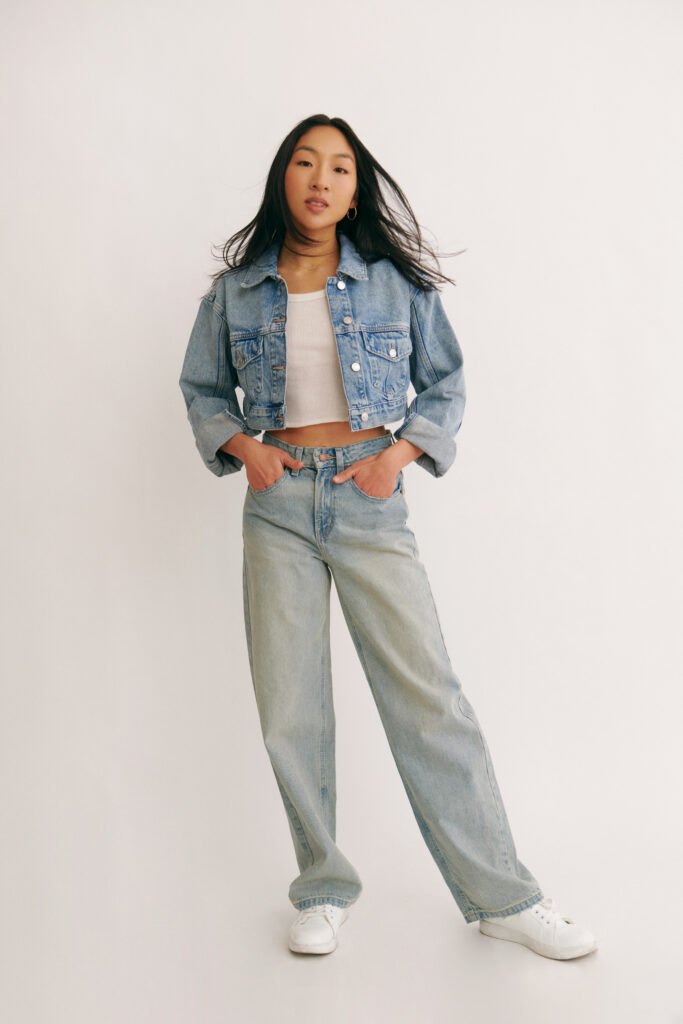
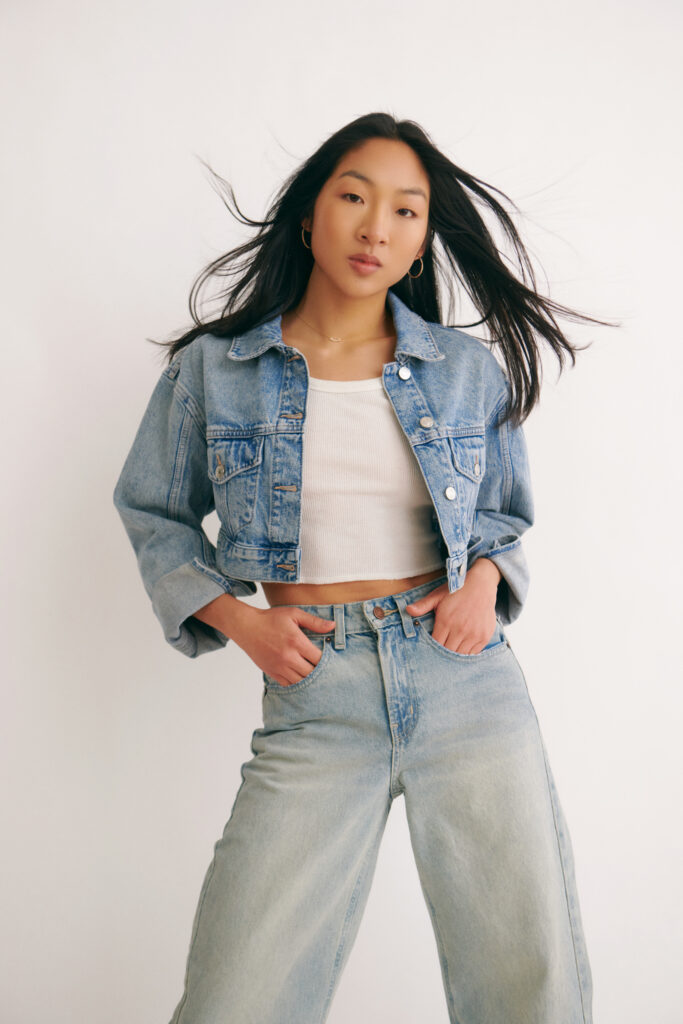
As you think about specific images to add in your portfolio, elevate your looks with accessories and props. The caveat here is it has to be thought through with the background, styling, and vibe of the image. If a prop is added without a clear purpose, it feels out of place and can detract from the overall image.
Portfolio Image Case Study (of My Friend!)
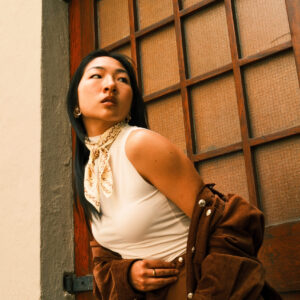
I love this series of images from my friend, Florence. She is a petite model based in Amsterdam and is working constantly in Europe. I think this look is super effective for a commercial portfolio because the use of props is so seamlessly integrated into the story. Click through the carousel of 3 images below, and let’s discuss.
The accessories, location, even the ice cream cone, all emulate elevated, accessible relatability, which lifestyle brands love to see in commercial model portfolios. From culinary and fashion accessory brands to broader lifestyle companies, these images make her marketable for bookings across multiple industries.
When I saw the final images from this look, I realized the importance of adding accessories and integrating props in my portfolio shoots.
While this particular shoot wasn’t a free test for her (there was a photographer, stylist, and hair and makeup artist on set) the styling and use of accessories makes this image so commercial and marketable for her agents. She was booked and busy during the season!
How to Replicate a Commercial Shoot
To replicate a very commercial style shoot for yourself, consider the brand or brands you are trying to target for each specific look you want to add to your portfolio. How would the brand style their models for a campaign? What types of accessories would the models wear? Where would they shoot this campaign? What would the background look like?
For tangible ideas, take a look at specific brand campaigns you want to shoot with to know what vibe to emulate.
A Note on Props for TFP Shoots
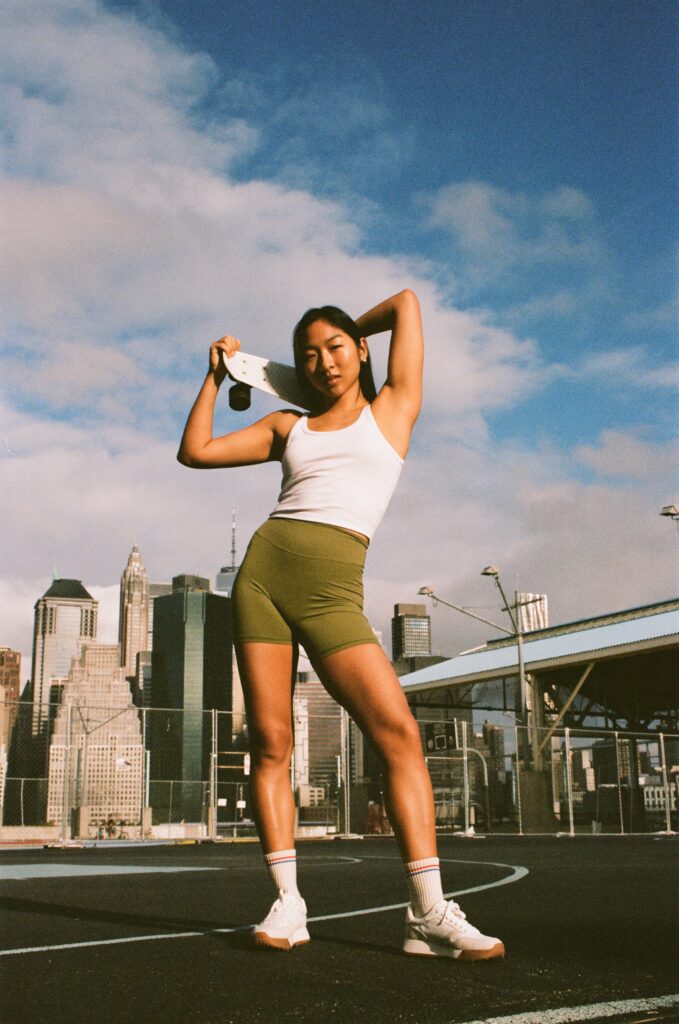
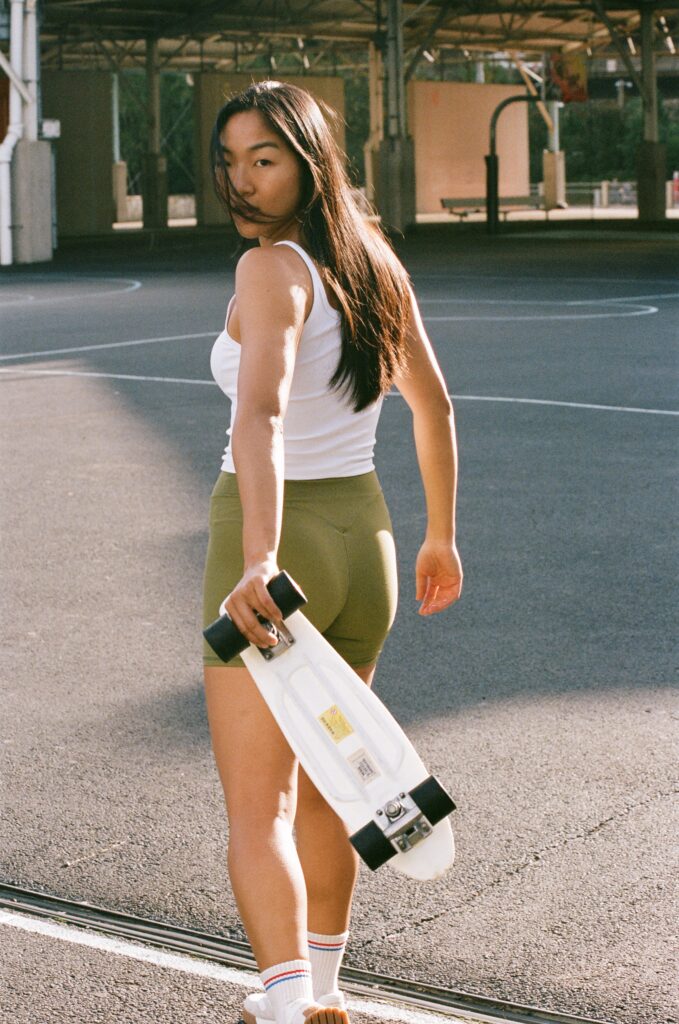
When it comes to commercial modeling, authenticity sells. In general, props like bags, phones, bicycles, flowers, etc, tend to be more natural in test shoots if the location is outside. For in-studio shoots, these types of accessories might feel more contrived.
I’m not saying it can’t be done well, I think they require a bit more thought around how to incorporate them naturally, in a commercial way.
Common in-studio props include what already exist in studios–couches, chairs, apple boxes, and stools. Everyday props that I listed above are more natural for outdoor shoots because they commonly exist outdoors naturally.
Create a Mood board
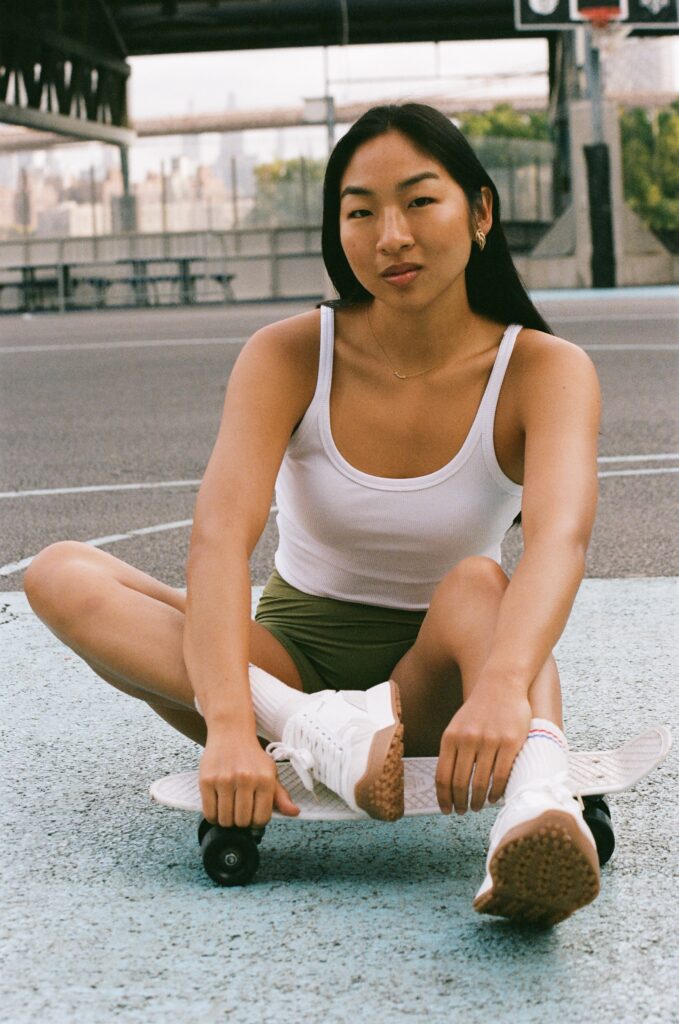
As you’re planning your shoot, create a mood board; it gives your shoot a focus. A mood board informs what pieces you should pick for styling and how you should accessorize. Additionally, when you’re on set and need posing inspiration, you can refer to the mood board for ideas.
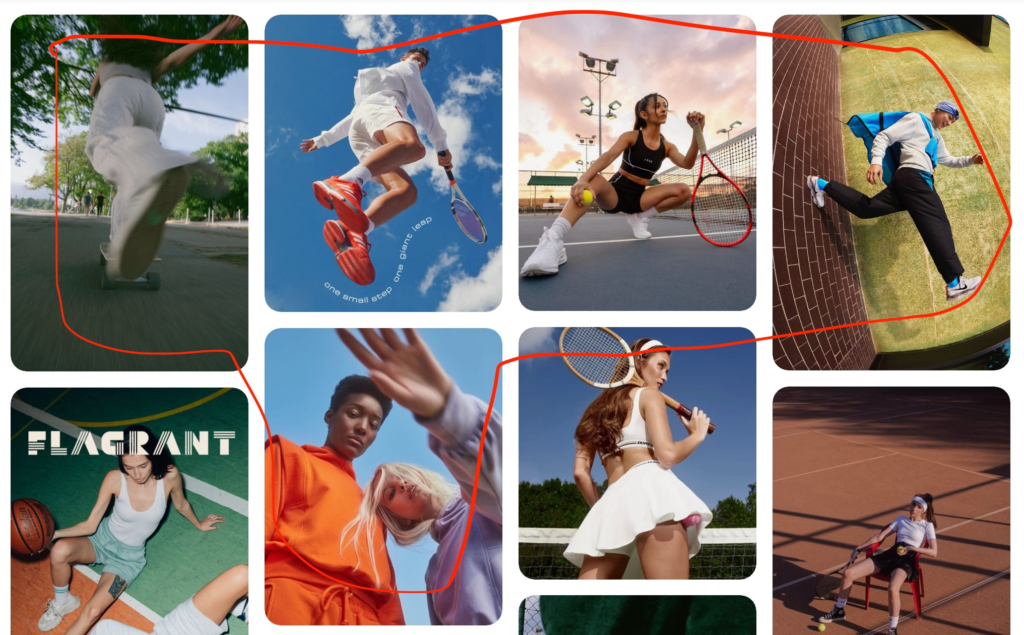
I typically create my mood boards on Pinterest. A great feature of Pinterest’s is that once you search up a few images you want to add to your mood board, the platform often suggest additional similar images. I can create a mood board within 10 minutes on Pinterest because I see so many images to add for inspiration.
Once you have a mood board, you can reach out to photographers to pitch them on this concept. Including a mood board when reaching out to photographers is so much more effective in getting them onboard than approaching them without any concept at all.
Here’s why: Creating a mood board requires a lot of thought. A photographer and other creatives are much more likely to be on-board if they know you have a clear focus on what you want to create. If they’re open to shooting but they aren’t tied to any particular concept, it gives them less work, and at the same time, they can always give feedback to tweak it to their preference.
This goes vice versa–I love it when photographers reach out to me for a TFP and they already have a concept in mind. If I’m open to the concept, half the work is done. I just find styling pieces that align with the mood board, and we can shoot.
If you have no idea what to put in your mood board, start by considering which locations are accessible to you. This can be an interesting wall in your neighborhood, city background, or a park. Think of concepts based on where you can shoot.
Reaching out to photographers can be a hit or miss. You are more likely to get a response if you’re signed with an agency because an agency gives you credibility. However, you don’t have to be signed with an agency to start building your portfolio. Check out my article on the best process to approach a photographer for a TFP.
How to Style a TFP Photoshoot
In my years of modeling, I have learned that styling truly makes or breaks a photo shoot. Proper styling can elevate a shoot, while bad styling detracts from it’s effectiveness.
Styling a shoot as a complete beginner model is overwhelming. What if the clothes in my closet aren’t photoshoot worthy? Where do I get clothes? Do I spend $400 to buy an outfit just for the photoshoot only to never wear it again?
If you’re doing a free TFP shoot you might not be able to get a stylist to collaborate, so here are a couple of tips on styling.
Industry Styling Secrets:
On almost every set I’ve worked on, if the brand I was working with was not a clothing brand, styling pieces would come from stores like Zara and H&M. There would be racks and racks of these clothes—multiple options for each model, all with tags attached. When I wear the final outfits, the tags always stay on, tucked in. If they’re visible, they are removed in post production (aka with Photoshop).
Many models who do their own styling for TFP‘s will go shopping at Zara, H&M, or other similar stores and and pick out their outfit + accessories. They’ll do the shoot, and then return them directly after.
Sometimes I also borrow clothes and accessories from my friends as well–if I see a piece I like that my friend has, I ask her if I can borrow it for a shoot. 😊
Layer Your Accessories
Through years of styling my own shoots, I’ve learned that what differentiates good styling from great styling is the layering of accessories. You have a base outfit you build around, then add a jacket, shoes, a belt, etc. This is good styling.
Here is what elevates a look to great styling: jewelery–necklaces, bracelets, rings and earrings, socks, hair accessories, scarves. These should work cohesively with your base outfit. Play around to see what works, and consult your mood board! When in doubt, opt for simplicity, since you should stand out, not your outfit.
Hair and Makeup for a TFP Photoshoot
The great part about commercial modeling is that the most marketable images are ones where your face is very natural, with minimal makeup.
Clients typically love to see models in their natural state. If you look at most commercial campaigns, you’ll notice subtle makeup on models, which make them appear approachable and authentic to consumers.
For TFP’s, I do very natural minimal makeup–I prep my skin well, use concealer over my spots and add a bit of blush, highlighter, subtle eyeliner, and mascara. For my hair, I will add texturizing spray for volume. In between shots, I will tease my fingers at the roots to add volume.
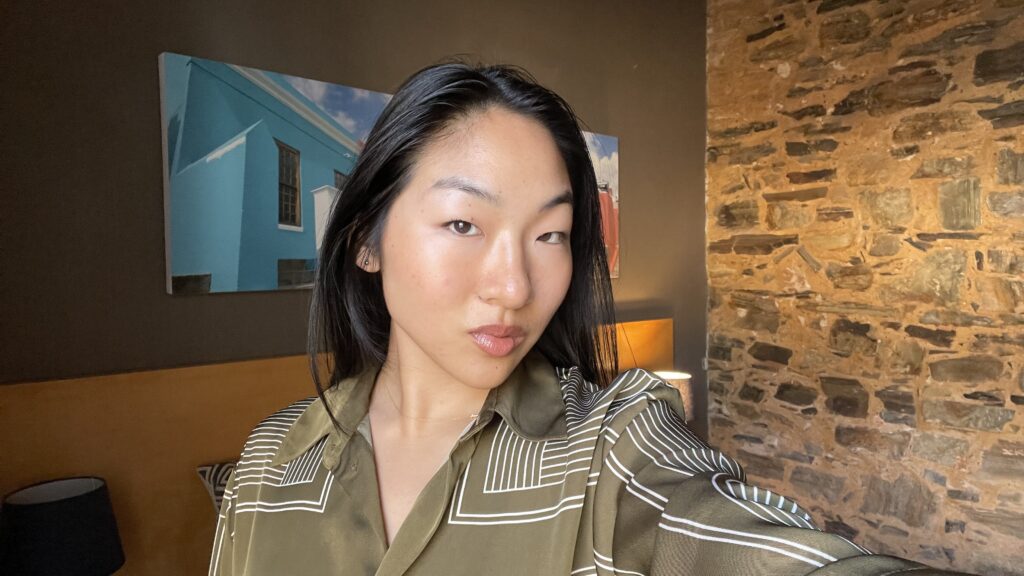
In general I don’t hire a makeup artist for my test shoots, unless I am specifically adding beauty looks to target beauty clients. In those instances, I want to add more complicated beauty looks to my portfolio that require the expertise of a makeup artist.
Key Takeaways
Check out this video for more information on building a modeling portfolio for free:
Building a portfolio for free requires some extra effort, but it’s completely doable. In order to spend your time and energy wisely, have an idea of what you need to add to your portfolio. Build a mood board around the current gaps in your portfolio and reach out to photographers with your mood board to pitch them on the concept.
Once you’ve built out a substantial portfolio, here’s how you can use your portfolio to book jobs without an agent. If you are on your journey of getting signed, make sure to check out my guide on the fastest way to get signed to a modeling agency as a petite model.
Leave a Reply